





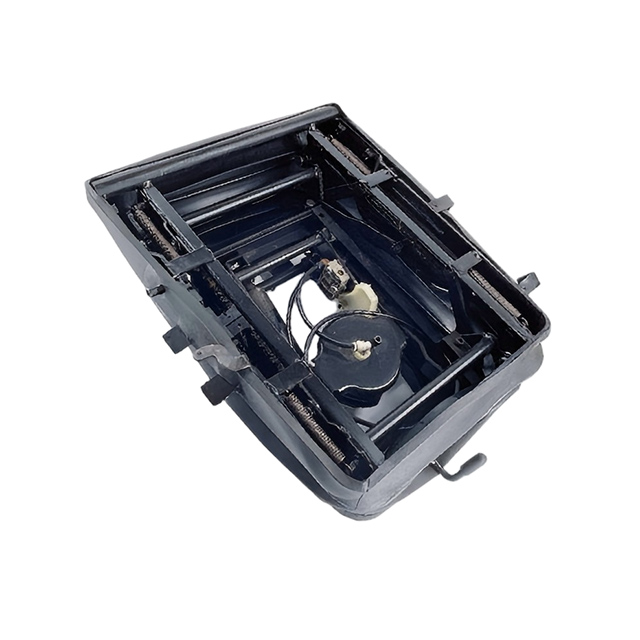
Every bump and vibration on the road travels through your vehicle's frame, but it's the often-overlooked seat shock absorber that stands between that harsh reality and your comfort, safety, and productivity. For fleet managers, commercial vehicle operators, and seating engineers, selecting the right component isn't just a purchase—it's a critical investment. This guide cuts through the complexity, explaining how these vital parts work, outlining key selection criteria for different applications, and providing a clear roadmap to ensure you choose a durable, high-performance match for your specific needs.
Key Takeaways
Core Function: A seat shock absorber dampens vibrations and absorbs impacts, converting motion into heat to provide a stable, comfortable seat platform and reduce operator fatigue.
Application is King: The ideal shock varies dramatically between a long-haul truck, a city bus, and construction equipment. Match the shock to the vehicle's primary operating environment.
Look for Integrated Design: In modern air suspension systems, the shock absorber works in tandem with the air spring and leveling valve for optimal performance and self-adjusting comfort.
Specifications Matter: Critical specs include adjustment range, mounting configuration, load capacity, and the quality of materials and seals used in construction.
Preventative Maintenance Extends Life: Regular inspection for leaks, wear, and changes in ride quality is essential to prevent failures and ensure long-term reliability.
Understanding the Role of a Seat Shock Absorber
A seat shock absorber is a precision damper designed to control the oscillation of the seat's suspension spring. When the seat base moves over an irregularity, the shock's piston forces hydraulic fluid (often gas-charged) through small valves, converting kinetic energy into thermal energy. This process smooths out the jolts and, crucially, prevents the seat from continuing to bounce, allowing it to return to a neutral position quickly and maintain stability.
In advanced seating systems, this component is part of an integrated air suspension system. Here, an air spring provides the load support and height adjustment, while the dedicated shock absorber controls the rate of compression and rebound. This synergy is essential for isolating the occupant from high-frequency road vibrations and maintaining a level seat platform regardless of the driver's weight or vehicle load—a key feature in premium commercial vehicle seats.
The Anatomy of a Durable Shock: What Defines Quality?
Not all shock absorbers are created equal. Durability and performance are determined by their internal and external construction, especially for demanding commercial use:
Cylinder & Piston Rod
High-strength steel cylinders and chrome-plated piston rods resist wear and corrosion, ensuring smooth operation over thousands of cycles.
Hydraulic Fluid & Gas Charge
High-quality fluid and nitrogen gas charge prevent aeration and "fade," where performance degrades due to heat buildup during continuous use.
Seals & Bushings
Multi-lip seals prevent leaks, while durable polyurethane bushings at mounting points isolate vibration and reduce noise transmission.
Valving System
Precision-tuned internal valving defines damping characteristics, providing consistent resistance for controlled performance in various conditions.
How to Choose: A Step-by-Step Selection Matrix
Step 1: Define Your Primary Application
| Vehicle Type | Primary Requirements | Recommended Solution |
|---|---|---|
| Long-Haul Trucks | Fatigue reduction, highway stability, millions of cycles | High-performance air seat shocks with wide adjustment range |
| City & Transit Buses | Passenger comfort, stop-start durability, all-weather reliability | Integrated air suspension systems with automatic leveling |
| Construction Equipment | Extreme vibration isolation, impact resistance, dirty environment | Heavy-duty shocks with enhanced sealing and corrosion protection |
| Specialty Vehicles | Comfort-reliability balance, custom chassis integration | Compact, reliable systems with easy installation |
Step 2: Analyze Technical Specifications
Stroke & Adjustment Range: Vertical travel capacity (measured in mm) determines bump absorption and driver adaptation
Mounting Specifications: Hole pattern and pin diameter must match seat frame precisely
Damping Characteristics: Fixed vs adjustable damping for different ride preferences
Load Capacity: Must support maximum operator weight plus equipment
Step 3: Evaluate Quality & Manufacturing Standards
Material Integrity: High-tensile steel, anti-corrosion coatings, engineered polymers
Manufacturing Certification: IATF 16949 or equivalent automotive quality standards
Testing Validation: Fatigue testing, temperature resistance, IP protection ratings
Customization Capability: Ability to adjust mounting, stroke, or damping profiles
Maintenance & Troubleshooting Guide
Signs Your Shock Absorber Needs Attention:
Excessive Bouncing
Seat oscillates multiple times after bumps - indicates loss of damping control
Bottoming Out
Harsh "clunk" felt through seat - suspension traveling to limit without dampening
Fluid Leaks
Visible oily residue on shock body - clear sign of seal failure
Irregular Height
Air seats sagging or not maintaining level - potential system issue
Best Practice Maintenance:
Incorporate visual inspections into regular vehicle maintenance schedules
Clean piston rods of debris and contaminants regularly
Listen for unusual noises during seat operation
Follow manufacturer-recommended service intervals
In severe environments, increase inspection frequency
FAQ:
What exactly does a seat shock absorber do?
It controls and dampens the movement of the seat's suspension spring, absorbing energy from bumps and vibrations to prevent excessive bouncing and provide a stable, comfortable ride. This directly reduces driver fatigue and improves vehicle control.
How do I know when my commercial seat shock needs replacing?
Common indicators include: noticeable increase in seat bounce after bumps, rougher overall ride quality, visible fluid leaks on the shock body, or (in air suspension systems) inability to maintain consistent seat height. Increased driver comfort complaints are also a key signal.
Are seat shock absorbers interchangeable between different seat brands?
Generally no. They are engineered for specific mounting configurations, stroke lengths, and load capacities. Using an incorrect shock can lead to poor performance, seat structure damage, and safety risks. Always consult technical specifications or the original seat manufacturer.
What's the advantage of air suspension over mechanical systems?
Air suspension systems provide automatic leveling, consistent ride height regardless of load, and typically offer a more plush, adjustable ride. The shock absorber in these systems works with an air spring that automatically adjusts pressure, creating a more sophisticated suspension solution.
What should I prioritize when buying shock absorbers for a large fleet?
Focus on consistent quality (look for IATF 16949 certification), proven durability data, reliable manufacturer supply chain, and accessible technical support. Partnering with a supplier experienced in commercial vehicle components ensures understanding of fleet operational needs and total cost of ownership.
Making the Right Choice
Selecting the optimal seat shock absorber requires balancing technical specifications with practical application needs. By understanding your vehicle's operating environment, analyzing key performance criteria, and partnering with a manufacturer that combines engineering expertise with quality manufacturing processes, you can ensure enhanced comfort, safety, and long-term value for your seating solutions.
Expert Insight: At Sanbo, we specialize in engineering precision seat mechanisms, including shock absorbers and complete air suspension systems for commercial vehicles. Our vertically integrated manufacturing and adherence to IATF 16949 quality standards ensure components that meet the rigorous demands of fleet operations and OEM specifications.