





Are Universal Seat Rails Compatible with All Seat Types? The Truth Every Vehicle Owner Should Know
When considering seat upgrades or replacements, one of the most common questions vehicle owners ask is whether universal seat rails can work with any seat type. The answer isn't as straightforward as many hope. Understanding the compatibility factors between seat rails, seat sliders, and different seat configurations can save time, money, and potential safety issues down the road.
Key Takeaways
Universal seat rails are not truly "one-size-fits-all" and require careful measurement and often custom modification
Compatibility depends on mounting hole patterns, rail width, seat type, and vehicle floor configuration
Racing seats, OEM seats, and aftermarket seats each have distinct mounting requirements
Safety compliance requires proper installation following FMVSS 207 standards for seat integrity
Professional assessment is recommended for complex installations or modern vehicles with integrated safety systems
Understanding Universal Seat Rails and Seat Sliders
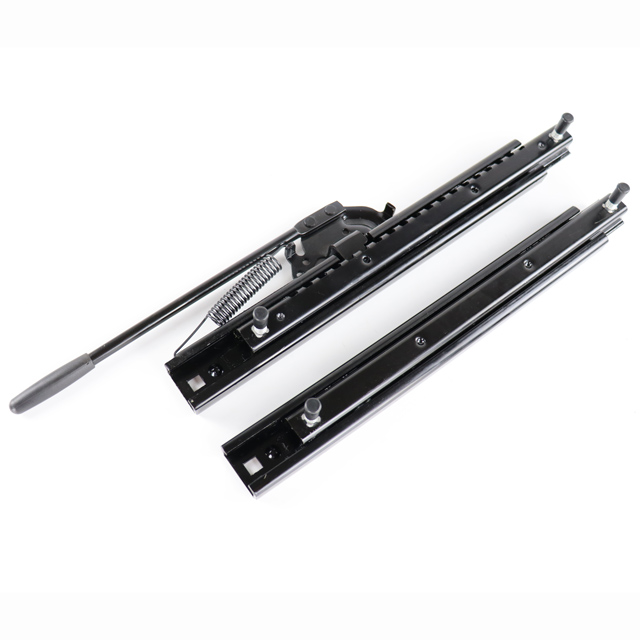
Seat rails, also known as seat sliders or seat tracks, are the mechanical systems that allow seats to move forward and backward for optimal driving position. Universal seat rails are aftermarket products marketed as compatible with multiple vehicle makes and models, but the term "universal" can be misleading.
These components typically consist of two parallel tracks with a sliding mechanism that locks into position at various points along the rail. The quality and design of seat sliders directly impact both comfort and safety, as they must withstand significant forces during normal use and especially during collision events.
The Reality of "Universal" Compatibility
The term "universal" in seat rails typically means the product includes adjustable mounting hardware rather than guaranteeing plug-and-play compatibility with every vehicle or seat combination. Most universal seat rails are designed for common floor pan configurations found in older vehicles, muscle cars, and kit cars, but they rarely bolt directly into modern unibody vehicles without modification.
Critical Compatibility Factors
Several key variables determine whether universal seat rails will work with a specific seat and vehicle combination. Understanding these factors helps vehicle owners make informed decisions before purchasing aftermarket components.
Mounting Hole Patterns: Seat rails feature specific bolt hole spacing patterns, commonly found in configurations such as 10" x 10", 12" x 12", or 14" x 14" square patterns. The seat bottom must have corresponding mounting points that align with these patterns. Racing seats often use side-mount configurations, while OEM seats typically use bottom-mount designs.
Rail Width and Travel Distance: The distance between the left and right rails typically ranges from 12 to 16 inches, and this must match both the seat's mounting width and the vehicle's floor mounting points. Additionally, the total travel distance (how far forward and backward the seat can slide) must fit within the available space without interfering with other vehicle components.
Seat Height Considerations: Adding universal seat rails can raise or lower the seated position by several inches. This affects pedal reach, steering wheel clearance, and headroom. Vehicle owners must verify that the final seating position maintains safe operation of all controls.
| Seat Type | Typical Mounting Method | Universal Rail Compatibility | Modification Level |
|---|---|---|---|
| OEM Factory Seats | Vehicle-specific brackets | Low - requires custom brackets | High |
| Racing Bucket Seats | Side-mount or bottom-mount | Moderate - standard patterns | Moderate |
| Aftermarket Sport Seats | Multiple options available | Moderate to High | Low to Moderate |
| Gaming/Office Chairs | Non-automotive mounting | Very Low | Not Recommended |
Different Seat Types and Their Unique Requirements
Racing and Performance Seats
Racing bucket seats from manufacturers like Recaro, Sparco, and Bride typically feature standardized mounting points designed for aftermarket applications. These seats often work better with universal seat rails because they are engineered with flexibility in mind. However, they still require proper adapter brackets to connect to vehicle-specific floor mounting points.
Side-mount racing seats attach to vertical frame rails or rocker panels rather than the floor, demanding precise bracket alignment and often requiring drilling into structural members. This installation type requires welding expertise and chassis blueprints for safe execution.
OEM Factory Seats
Original equipment manufacturer seats are specifically engineered for their designated vehicles. They integrate with power adjustment systems, heating elements, airbag sensors, and occupant detection systems. Attempting to use universal seat rails with OEM seats typically requires removing the original seat sliders and brackets, then creating custom mounting solutions.
Modern vehicles with sophisticated safety systems present additional challenges. Seat-mounted side airbags, occupant weight sensors for airbag deployment calibration, and seatbelt pretensioners are all integrated into OEM seating systems. Modifying these seats with universal rails can compromise these safety features and may violate federal motor vehicle safety standards.
Aftermarket Seats for Trucks and SUVs
Heavy-duty vehicles and commercial applications require seat rails capable of supporting greater weight loads and withstanding more severe operating conditions. Universal seat sliders rated for passenger cars may not meet the structural requirements for larger occupants or the vibration resistance needed in commercial vehicles.
Safety Standards and Regulatory Compliance
Vehicle seating systems in the United States must comply with Federal Motor Vehicle Safety Standard 207, which establishes requirements for seats, their attachment assemblies, and installation to minimize the possibility of failure during vehicle impacts. This standard specifies minimum seat back strength requirements and testing procedures.
According to FMVSS 207 seating system regulations, seat backs must withstand a rearward moment of 373 Newton-meters when tested with a horizontal force. Universal seat rails must maintain this structural integrity to provide adequate protection in rear-impact collisions.
Improper installation of seat rails can result in seat back failure during crashes, potentially causing serious injuries. Vehicle owners should ensure that any aftermarket seat slider installation maintains compliance with applicable safety standards and does not compromise the structural integrity of the seating system.
Installation Challenges and Considerations
Installing universal seat rails typically requires more than simply bolting them in place. Most installations demand some level of modification, whether drilling new mounting holes, fabricating adapter brackets, or adjusting the rails themselves.
Floor Pan Configuration
Vehicle floor pans vary significantly in their contour, thickness, and mounting point locations. Flat floor pans found in older vehicles or custom builds typically accommodate universal rails more easily than the complex contoured floors of modern unibody vehicles. Some floors require backing plates welded or riveted to frame rails to provide adequate structural support.
Seat Belt Integration
Seat belt mounting points must align correctly with the occupant's position regardless of where the seat is positioned along the rails. Universal seat rails can alter the seat's range of motion, potentially creating unsafe seat belt geometry at certain positions. This is particularly critical for shoulder belt anchor points, which must maintain proper positioning across the occupant's chest and shoulder.
⚠️ Important Safety Note
Never use self-tapping screws into sheet metal for seat rail installation. All mounting hardware should use grade 8 bolts with appropriate backing plates and should be attached to structural frame members, not just floor pan sheet metal. Professional installation is strongly recommended for safety-critical applications.
Making the Right Choice: When Universal Seat Rails Work
Universal seat rails can be effective solutions in specific scenarios. They work best when upgrading seats in classic vehicles, kit cars, or custom builds where standardized mounting configurations are common. Racing seat installations in track-dedicated vehicles also benefit from universal rail systems, as these applications prioritize adjustability and aftermarket compatibility.
For daily driver vehicles, especially those manufactured after 2000, vehicle-specific mounting solutions typically provide better fitment, easier installation, and maintained integration with factory safety systems. These custom solutions may cost more initially but eliminate the trial-and-error process often associated with universal components.
Professional Installation vs. DIY Approach
The complexity of seat rail installation varies dramatically based on the vehicle and seat combination. Simple installations in older vehicles with straightforward floor pans might be within the capabilities of experienced DIY enthusiasts with proper tools and knowledge. However, installations requiring welding, structural modifications, or integration with electronic systems should be performed by qualified professionals.
Professional installers bring expertise in seat geometry, safety regulations, and proper mounting techniques. They can identify potential issues before installation and ensure that the finished product meets safety standards. For vehicles equipped with airbags, stability control systems, or other advanced safety features, professional installation becomes even more critical.
Looking for Reliable Seat Rails and Sliders?
When it comes to seat slider quality and compatibility, choosing a trusted manufacturer makes all the difference. SANOBO specializes in precision-engineered seat sliders, seat rails, and seating components designed to meet rigorous safety standards while providing smooth, reliable adjustment.
With over 40 years of manufacturing experience and ISO 9001 certification, SANOBO produces seat adjustment mechanisms for automotive, commercial vehicle, and specialized applications worldwide.
Get a Free QuoteQuality Considerations in Seat Sliders
Not all seat rails are created equal. The quality of materials, precision of manufacturing, and design engineering significantly impact both performance and safety. High-quality seat sliders feature precision-machined tracks with smooth ball bearing or roller systems that provide effortless adjustment while maintaining rigid locking capabilities.
Premium seat rails typically incorporate dual-locking mechanisms that engage both rails simultaneously, providing superior resistance to impact forces and reducing the risk of twisting or failure during a collision. This design consideration becomes particularly important in meeting the strength requirements outlined in federal safety standards.
Material selection also plays a crucial role in seat slider performance. High-strength steel construction with appropriate surface treatments ensures corrosion resistance and long-term durability. Proper heat treatment and precision forming processes maintain dimensional accuracy and structural integrity throughout the component's service life.
Common Compatibility Issues and Solutions
Even when universal seat rails are technically compatible, several common issues can arise during installation and use. Understanding these challenges helps vehicle owners prepare for potential complications.
Height Mismatch: Universal rails may position the seat too high or low for comfortable driving. This can sometimes be addressed with spacers or by selecting low-profile slider designs, but significant height differences may require different mounting solutions altogether.
Interference with Console or Interior Trim: The width and travel range of universal rails may cause contact with center consoles, door panels, or other interior components. Careful measurement before purchase can prevent these issues, but sometimes minor trim modifications become necessary.
Electrical Connection Challenges: Power seats, heated seats, and seats with integrated electronics require electrical connections that may not align when using universal rails. Extended wiring harnesses or custom connectors may be needed to maintain these functions.
Conclusion: The Balanced Approach to Seat Rail Compatibility
Universal seat rails serve an important purpose in the automotive aftermarket, providing flexibility for custom builds, classic car restorations, and racing applications. However, they are not the plug-and-play solution that their "universal" designation might suggest. Successful implementation requires careful measurement, proper component selection, and often custom fabrication work.
For vehicle owners considering seat upgrades or replacements, the decision between universal and vehicle-specific components should account for the specific application, budget constraints, safety requirements, and installation capabilities. Modern vehicles with integrated safety systems generally benefit from vehicle-specific solutions, while older vehicles and custom applications can successfully utilize well-designed universal components with proper installation.
Ultimately, seat rail compatibility depends on multiple factors working together harmoniously. By understanding these variables and making informed decisions, vehicle owners can achieve safe, functional, and comfortable seating solutions regardless of which approach they choose.
Frequently Asked Questions
Q: Can I use universal seat rails with my factory power seats?
While technically possible, using universal seat rails with factory power seats is generally not recommended. Power seats have integrated motors, wiring harnesses, and adjustment mechanisms built into the OEM seat tracks. Removing these to install universal rails eliminates the power adjustment functionality. Additionally, you may lose seat position memory, lumbar support adjustment, and other features. Vehicle-specific adapter brackets that work with the existing power seat base are a better solution if you want to maintain these functions.
Q: Will universal seat sliders work with side airbag-equipped seats?
Seats with integrated side airbags present significant complications when using universal seat rails. The airbag wiring, deployment mechanisms, and calibration are all specific to the OEM seat design. Modifying these seats with aftermarket rails can compromise airbag function, trigger fault codes, and potentially create liability issues if the airbags fail to deploy properly in a collision. For vehicles with seat-mounted airbags, it's strongly recommended to use OEM or certified replacement components that maintain full safety system integration.
Q: What's the difference between side-mount and bottom-mount seat rails?
Side-mount rails attach to vertical surfaces along the sides of the seat, typically to the seat's tubular frame or side brackets. This mounting style is common in racing applications and allows for a lower seating position. Bottom-mount rails attach to the underside of the seat, which is the standard configuration for most passenger vehicles. Side-mount installations usually require specialized brackets and may involve more complex fabrication, while bottom-mount systems generally offer more straightforward installation but may result in a higher final seating position.
Q: How much weight can universal seat rails typically support?
Weight capacity varies significantly among universal seat rail products. Entry-level universal sliders might be rated for 200-250 pounds, while heavy-duty commercial-grade seat rails can support 400 pounds or more. The weight rating should account for both static load (the seated occupant's weight) and dynamic forces during vehicle operation and potential collision events. Always verify the manufacturer's specifications match or exceed your requirements, and consider that heavier occupants generate proportionally greater forces during impacts, which the seat rails must safely manage.
Q: Do I need to have my vehicle inspected after installing aftermarket seat rails?
Requirements vary by jurisdiction, but many regions require inspection of modified vehicle safety systems. Some areas mandate that any alterations to seating systems, seatbelts, or airbag components be certified by a qualified technician. Even where not legally required, professional inspection is highly recommended to verify proper installation, adequate structural integrity, correct seat belt geometry, and maintained safety system function. Documentation of professional installation may also be valuable for insurance purposes and can provide peace of mind that the installation meets safety standards.
Q: Can universal seat rails affect my vehicle's resale value?
Permanent modifications to install universal seat rails, particularly those involving drilling or welding to the vehicle floor, typically decrease resale value for most mainstream vehicles. Potential buyers often prefer unmodified vehicles with original components, especially for daily drivers. However, in enthusiast markets (classic cars, sports cars, track vehicles), well-executed modifications with quality components can maintain or even increase value if documented and professionally installed. Reversible installations that allow restoration to original configuration help preserve resale value.
Q: What tools are typically needed to install universal seat rails?
Basic installations require standard hand tools including socket sets, wrenches, torque wrench, drill with appropriate bits, and potentially a tap and die set for creating new threads. More complex installations may need welding equipment, metal fabrication tools, backing plate material, and proper safety equipment. A torque wrench is particularly important to ensure all fasteners are tightened to proper specifications, as both over-tightening and under-tightening can compromise safety. Professional installations also utilize specialized jigs and fixtures to ensure precise alignment and proper mounting angles.