





Transforming a recreational vehicle into a functional living space requires thoughtful consideration of every component, and the seat swivel base stands as one of the most practical upgrades available. Whether one is converting a van into a weekend camper or customizing a full-size motorhome, understanding how to choose the right RV driver seat swivel can significantly enhance both comfort and functionality. This comprehensive guide explores everything RV enthusiasts need to know about seat swivels, from basic functionality to professional installation considerations.
Key Takeaways
Seat swivels enable 360-degree rotation, converting driver seats into versatile living space furniture
Weight capacity ratings typically range from 250-350 lbs, with proper selection being critical for safety
FMVSS 207 compliance ensures structural integrity during vehicle operation and crash scenarios
Installation height varies between 1.5-3 inches, impacting headroom and ergonomics
Mounting pattern compatibility must match both the vehicle floor and the seat base dimensions
Professional-grade swivels feature locking mechanisms at 90-degree intervals for secure positioning
Understanding RV Seat Swivel Fundamentals
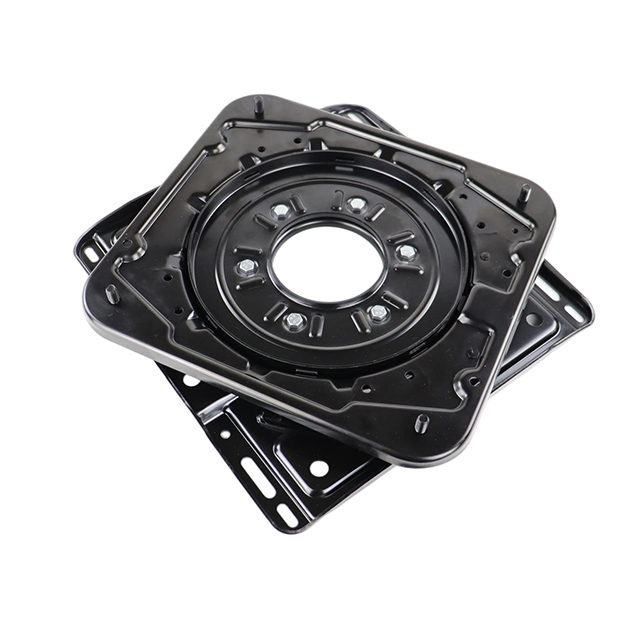
A seat swivel represents a rotating mechanism installed between the vehicle floor and the seat base, allowing the seat to pivot horizontally through a full circle. This simple yet transformative device converts fixed automotive seating into multi-functional furniture that serves both driving and living purposes.
How Seat Swivels Work
The typical RV driver seat swivel consists of two steel plates connected by a bearing assembly. The lower plate bolts to the vehicle floor using the original mounting points, while the upper plate attaches to the seat pedestal. Between these plates, a precision bearing system enables smooth rotation while maintaining structural strength. Most quality units incorporate a locking mechanism that engages at specific intervals, typically every 90 degrees, ensuring the seat remains stable when positioned.
Modern swivel bases utilize either ball bearing systems or hardened steel contact surfaces. Ball bearing designs offer smoother rotation with minimal effort, while direct steel-on-steel contact provides maximum load capacity. The choice between these systems depends on the specific application requirements and user preferences.
Primary Applications in RV Layouts
RV seat swivels serve multiple purposes beyond basic rotation. In Class B camper vans, swiveling front seats create dining areas when paired with a table mounted between them. Motorhome owners frequently rotate passenger seats to face the living area, expanding seating capacity during social gatherings. The flexibility proves particularly valuable in smaller RVs where every square foot must serve multiple functions.
Critical Technical Specifications
Weight Capacity Ratings
Load capacity represents one of the most critical specifications when selecting a seat swivel for RV applications. Manufacturers typically rate their products between 250 and 400 pounds, though this number requires careful interpretation. The stated capacity should account for both the seat assembly weight and the occupant, with a safety margin of at least 20 percent.
| Capacity Rating | Recommended User Weight | Typical Applications | Safety Factor |
|---|---|---|---|
| 250-280 lbs | Up to 180 lbs | Lightweight seats, passenger positions | 1.4x |
| 285-320 lbs | Up to 220 lbs | Standard driver seats, most RV applications | 1.3x |
| 350-400 lbs | Up to 280 lbs | Heavy-duty commercial vehicles, larger occupants | 1.4x |
When calculating requirements, individuals should add the seat weight (typically 40-70 pounds for a standard captain's chair) to their body weight, then select a swivel rated at least 30 percent higher than this combined figure. This margin accounts for dynamic loading during vehicle movement and provides long-term durability.
Installation Height Considerations
The vertical dimension added by a swivel base directly impacts driver ergonomics and headroom. Standard units measure between 1.5 and 3 inches in height, with low-profile models available for vehicles with limited clearance. This seemingly minor dimension can significantly affect comfort during extended driving sessions.
Before purchasing, owners should measure the distance from their current seating position to the vehicle ceiling. Adding even two inches might create an uncomfortable driving position or interfere with visibility. Some manufacturers offer offset swivel plates that maintain original seat height by positioning the rotation point differently, though these typically cost more.
Mounting Pattern Compatibility
Successful installation requires precise alignment between three mounting surfaces: the vehicle floor, the swivel base, and the seat pedestal. Vehicle manufacturers use various bolt patterns, with spacing ranging from 8x11 inches to 14x15 inches. The seat swivel must match both the floor pattern below and accommodate the seat mounting above.
Most quality swivels feature multiple mounting holes to accommodate different patterns. However, buyers should verify compatibility before purchase by measuring their existing seat mounting points. The measurements should include both the hole spacing and the bolt diameter, as these vary between manufacturers.
Safety Standards and Compliance
FMVSS 207 Requirements
The Federal Motor Vehicle Safety Standard 207, titled "Seating systems," establishes minimum performance requirements for seats and their attachment assemblies. When an RV seat swivel is installed, it becomes part of the seat assembly and must comply with these regulations. The standard requires that seats withstand specific forces without failure, ensuring occupant protection during crashes.
According to NHTSA interpretation 21292, seat pedestals and swivel bases are considered integral parts of the seating system. This means aftermarket swivels must maintain the structural integrity that original equipment provides. Compliant products undergo testing that applies forces in multiple directions, simulating crash scenarios.
Structural Integrity Testing
Quality manufacturers subject their seat swivel products to rigorous testing protocols. These tests typically include:
Forward impact loading applying 20 times the seat system mass through the center of gravity
Rearward loading tests ensuring the seat back remains in position during rear collisions
Cyclic fatigue testing simulating thousands of rotation cycles
Static load testing verifying the bearing system can support maximum rated capacity
Reputable manufacturers provide documentation demonstrating their products meet or exceed FMVSS 207 seating standards. Buyers should request this documentation and verify that testing was performed by recognized facilities rather than relying solely on manufacturer claims.
Material Quality Standards
The construction materials directly influence both safety and longevity. Premium seat swivels utilize cold-rolled steel plates with thickness ranging from 2.5mm to 4mm. Thicker plates provide greater strength but add weight and height to the installation.
Surface treatments prevent corrosion and ensure smooth operation. Electrocoating or powder coating protects the steel from moisture exposure common in RV environments. The bearing surfaces should feature hardened steel or bronze bushings that resist wear even after thousands of rotation cycles.
Selecting the Right Swivel for Your Application
Vehicle-Specific Considerations
Different RV platforms present unique requirements for seat swivel selection. Class B vans typically have limited floor space and lower ceilings, making low-profile swivels essential. Class C motorhomes built on van chassis may require offset designs to clear handbrakes or center consoles. Full-size Class A coaches generally accommodate standard-height swivels without modification.
The vehicle's floor construction also matters. Wooden RV floors require larger mounting plates to distribute loads across multiple floor joists. Metal van floors can use smaller plates since the entire floor acts as a structural member. Owners should inspect their specific floor construction before selecting mounting hardware.
Seat Type Compatibility
OEM automotive seats designed for vans and trucks generally adapt well to aftermarket swivels, provided the mounting patterns match. Aftermarket captain's chairs may require custom mounting plates, especially if they use proprietary pedestals. Air-ride seats with suspension systems add complexity, as the swivel must accommodate vertical movement while maintaining smooth rotation.
Heated seats and those with electrical adjustments require special attention to wiring. The rotation creates a moving junction where wires can fatigue and fail. Quality installations incorporate wire management systems that allow rotation without stressing conductors, often using coiled cables or rotating electrical connectors.
Need Expert Guidance on RV Seat Swivels?
SANBO specializes in manufacturing high-quality seat swivel bases engineered for safety, durability, and precise fit. With over 40 years of experience and ISO 9001 certification, they deliver reliable solutions for RV and commercial vehicle applications worldwide.
Request a Quote TodayInstallation Best Practices
Professional vs. DIY Installation
While mechanically inclined individuals can install seat swivels, the task involves more complexity than simple bolt-on upgrades. Professional installation ensures proper torque specifications, correct fastener grades, and compliance with safety standards. The cost of professional installation typically ranges from $200 to $500, depending on vehicle complexity and regional labor rates.
DIY installations require specific tools including torque wrenches, proper size sockets, and potentially cutting tools if floor modifications are needed. The process generally takes 2-4 hours per seat for someone with mechanical experience. Critical steps include:
Removing the original seat while preserving mounting hardware for reference
Verifying floor integrity and reinforcing if necessary
Installing the lower swivel plate with grade 8 bolts torqued to manufacturer specifications
Mounting the seat to the upper plate ensuring proper alignment
Testing rotation through full range before final tightening
Verifying all electrical connections function through complete rotation
Common Installation Challenges
Certain vehicle configurations present specific obstacles. Center console designs may interfere with rotation, requiring console modification or removal. Handbrake locations on driver's side installations often necessitate lowering kits or relocated mounting positions. Floor reinforcement becomes necessary when original mounting points show weakness or when upgrading to heavier aftermarket seats.
Electrical systems require careful routing to prevent wire damage during rotation. Factory wiring typically includes sufficient slack for limited movement, but 360-degree rotation demands additional wire management. Solutions include installing rotating electrical connectors or creating service loops with proper strain relief.
Height Adjustment Strategies
Adding a swivel raises seat height, which can create ergonomic issues for shorter drivers or vehicles with limited headroom. Several approaches address this challenge:
Installing the swivel directly to the floor while lowering the seat mounting position
Using low-profile swivel designs that minimize height addition
Modifying the seat pedestal to reduce its overall height
Selecting offset swivel plates that position the rotation point differently
Each approach involves trade-offs between cost, complexity, and final results. The optimal solution depends on specific vehicle constraints and user requirements.
Maintenance and Longevity
Routine Maintenance Requirements
Proper maintenance ensures reliable operation and extends service life. The bearing surfaces should receive periodic cleaning and lubrication, typically every 6-12 months depending on usage frequency. Automotive lithium grease works well for most applications, though some manufacturers specify particular lubricants.
Regular inspections should verify that mounting bolts remain tight. Road vibration can loosen fasteners over time, potentially creating safety hazards. A torque wrench verification every six months provides assurance that all connections maintain proper tension.
Signs of Wear and When to Replace
Several indicators suggest a swivel base requires replacement:
Increased resistance during rotation or binding at specific angles
Visible wear on bearing surfaces or mounting plates
Looseness or play when the seat is locked in position
Cracking or deformation of mounting plates
Rust or corrosion that compromises structural integrity
Most quality swivels should provide 10-15 years of service with proper maintenance. However, heavy use or harsh environmental conditions may shorten this lifespan. Safety should always take precedence over economy when considering continued use of worn components.
Cost Analysis and Value Considerations
Price Range and Quality Indicators
RV seat swivel prices vary significantly based on construction quality, weight capacity, and brand reputation. Entry-level units start around $150, while premium models designed for commercial applications can exceed $400. The price difference reflects materials quality, engineering precision, and testing validation.
| Price Range | Typical Features | Best Applications |
|---|---|---|
| $150-$200 | Basic steel construction, standard bearings, limited warranty | Light-duty recreational use, budget builds |
| $200-$300 | Thicker plates, quality bearings, safety certification | Regular RV use, most applications |
| $300-$450 | Heavy-duty construction, premium bearings, extended warranty, FMVSS compliance | Full-time RV living, commercial vehicles |
When evaluating cost, individuals should consider the total installed price including any necessary modifications, professional labor, and additional hardware. The cheapest initial purchase may require additional expenses for proper installation, negating the apparent savings.
Return on Investment
Seat swivels enhance RV functionality and potentially increase resale value. Buyers shopping for used RVs often value the convenience of swiveling seats, particularly in smaller vehicles where this feature maximizes living space. The investment typically pays for itself through improved daily usability rather than monetary returns.
Choosing a Reliable Supplier
What to Look for in a Manufacturer
Quality manufacturers demonstrate their commitment through several characteristics. ISO 9001 certification indicates established quality management systems. Automotive industry certification such as IATF 16949 shows capability to meet stringent automotive standards. Published testing data and safety certifications provide objective evidence of product performance.
Established manufacturers typically offer comprehensive technical support, helping customers select appropriate products and troubleshoot installation issues. Warranty coverage should include both materials and workmanship, with terms extending at least 2-3 years for consumer products.
Why Consider SANBO for Your RV Seat Swivel Needs
SANBO brings over four decades of precision manufacturing experience to the seating components industry. Their seat swivel bases feature robust steel construction, precision engineering, and compliance with international safety standards. The company maintains ISO 9001 and IATF 16949 certifications, ensuring consistent quality across their product line.
Manufacturing capabilities include advanced stamping, welding, and surface treatment processes that deliver dimensional accuracy and long-term durability. SANBO's engineering team provides technical support throughout the selection and installation process, helping customers identify the optimal solution for their specific application. With global shipping capabilities and responsive customer service, they serve RV enthusiasts and professional upfitters worldwide.
Frequently Asked Questions
Conclusion
Selecting the right RV seat swivel requires careful evaluation of weight capacity, installation height, mounting compatibility, and safety compliance. By understanding these critical parameters and choosing products from established manufacturers with proven safety records, RV owners can confidently upgrade their vehicles with this valuable feature.
The investment in quality swivel bases pays dividends through enhanced functionality, improved living space utilization, and years of reliable service. Whether building a custom camper van or upgrading an existing motorhome, proper swivel selection transforms fixed seating into versatile, multi-functional furniture that adapts to changing needs throughout the RV lifestyle.
For those seeking reliable, professionally engineered solutions, partnering with experienced manufacturers like SANBO ensures access to products that meet stringent safety standards while delivering the durability required for demanding RV applications.