





Single vs. Double Locking Seat Sliders: Which Safety Level Does Your Project Need?
When designing seating systems for vehicles or equipment, the choice between single locking seat sliders and double locking seat sliders isn't just about cost—it's about matching the right safety mechanism to the application's demands. Engineers, manufacturers, and safety professionals face this decision regularly, and understanding the fundamental differences can prevent costly mistakes while ensuring occupant protection meets regulatory standards.
Key Takeaways
Single locking seat sliders use one rail-side locking mechanism, making them cost-effective for office chairs, gaming seats, and light commercial applications
Double locking seat sliders feature independent locks on both rails, providing enhanced safety for automotive and heavy equipment applications
Safety standards like FMVSS 207 require specific seat slider performance under impact conditions
Project requirements including load capacity, vibration exposure, and crash protection needs determine the appropriate locking configuration
Proper supplier selection ensures compliance with industry standards and long-term reliability
Understanding Seat Slider Fundamentals
A seat slider serves as the adjustable foundation enabling fore-and-aft positioning of seating systems. These rail-based mechanisms consist of upper and lower tracks that slide relative to each other, secured by locking pins or latches. The locking mechanism prevents unwanted movement during normal use and, critically, must maintain integrity during sudden deceleration or impact events.
The fundamental purpose of any seat slider extends beyond simple adjustment convenience. In transportation applications, these components must withstand forces up to 20 times the seat mass during frontal impacts, as specified in federal safety regulations. This requirement underscores why the locking mechanism design directly correlates with safety performance.
Single Locking Mechanism: Design and Applications
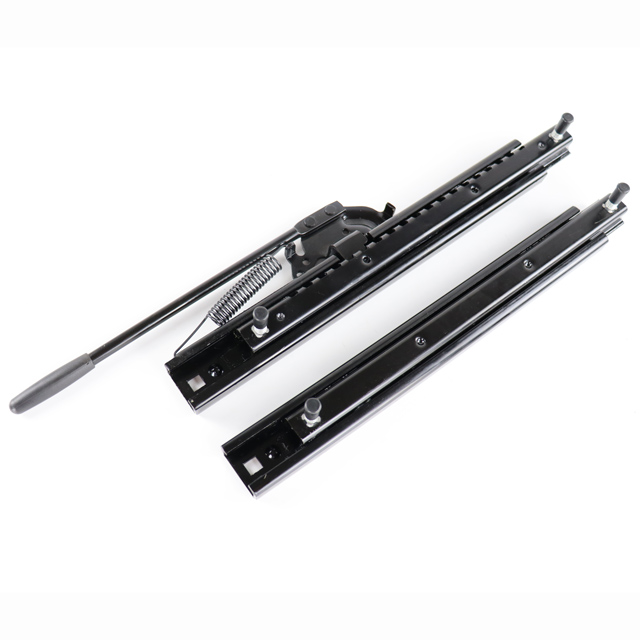
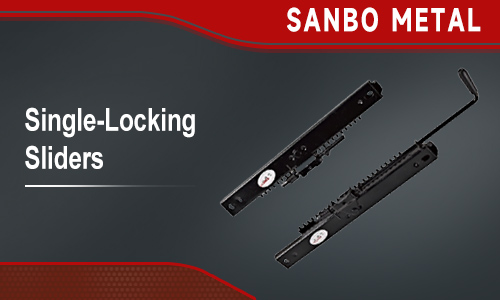
Single locking seat sliders incorporate a locking mechanism on one rail, typically the driver-side or dominant rail. When the release handle is activated, the locking pins disengage from the lower track, allowing smooth adjustment. The opposite rail slides freely without an independent lock, relying on the structural rigidity of the seat base to maintain parallel movement.
Advantages of Single Locking Systems
The primary benefit of single locking configurations centers on manufacturing efficiency and cost reduction. With fewer locking components, these sliders offer simpler assembly, reduced part count, and lower material costs—advantages that matter significantly in high-volume commercial furniture applications. Single-side operation also provides ergonomic benefits, as users can adjust their position with one hand while maintaining control.
For office environments, gaming chairs, and light-duty commercial seating, single locking seat sliders provide adequate safety and functionality. These applications rarely experience the extreme forces or vibration levels that demand redundant locking systems. The weight capacity typically ranges from 80 to 120 kilograms, suitable for standard adult occupants in controlled environments.
Limitations in High-Stress Environments
Single locking mechanisms face challenges in applications involving continuous vibration, off-road operation, or crash protection requirements. The absence of a secondary lock means the entire restraining force concentrates on one rail during impact scenarios. This asymmetric loading can result in binding, deformation, or—in extreme cases—lock disengagement if the primary mechanism fails or if mounting points flex under load.
Double Locking Mechanism: Enhanced Safety Architecture
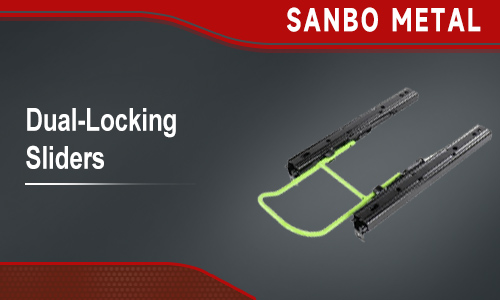
Double locking seat sliders employ independent locking mechanisms on both rails, creating redundant safety paths. Each rail features its own locking pins, engagement teeth, and structural reinforcement. When activated, both locks release simultaneously via a connected lever system, but each maintains independent holding capacity. This architecture ensures that if one locking mechanism experiences wear, damage, or stress concentration, the opposite rail continues to secure the seat position.
Safety Performance in Impact Scenarios
The critical distinction emerges during crash events or sudden decelerations. Federal safety standards require seat systems to withstand substantial rearward and forward forces without failure. Double locking seat sliders distribute impact loads across both rails, significantly reducing stress concentration on individual components. Research from automotive safety organizations indicates that dual-locking configurations demonstrate superior performance in standardized crash testing, with failure rates approximately 40% lower than comparable single-lock designs under identical load conditions.
This performance advantage proves essential in applications regulated by organizations like NHTSA, which publishes comprehensive requirements through documents such as the Federal Motor Vehicle Safety Standards for seating systems. Compliance testing evaluates how seat assemblies—including sliders—respond to defined force vectors, with pass/fail criteria that often necessitate double locking mechanisms for automotive applications.
Applications Requiring Dual-Lock Configuration
Certain project categories inherently require the enhanced security of double locking seat sliders:
Automotive seating: Passenger vehicles, commercial trucks, and buses where crash protection is mandatory
Heavy equipment: Construction machinery, agricultural vehicles, and mining equipment exposed to continuous vibration and rough terrain
Racing applications: Performance vehicles and motorsport seats where extreme lateral and longitudinal forces occur during high-speed maneuvers
Marine and aviation: Environments with strict regulatory oversight and elevated safety requirements
Comparative Analysis: Making the Right Choice
| Feature | Single Locking Seat Slider | Double Locking Seat Slider |
|---|---|---|
| Locking Points | One rail | Both rails independently |
| Safety Redundancy | Single point of failure | Dual redundant system |
| Typical Load Capacity | 80-120 kg static load | 120-200 kg with dynamic load capability |
| Cost Differential | Baseline pricing | Approximately 30-50% higher material cost |
| Ideal Applications | Office chairs, gaming seats, light commercial | Automotive, heavy equipment, racing, marine |
| Regulatory Compliance | Meets commercial furniture standards | Required for automotive safety standards |
| Vibration Resistance | Moderate - suitable for smooth surfaces | Excellent - designed for continuous vibration |
Technical Considerations for Project Planning
Load Requirements and Force Distribution
Calculating the appropriate seat slider specification begins with understanding both static and dynamic load requirements. Static load represents the weight of the occupant plus any additional equipment mounted to the seat. Dynamic loads include acceleration forces during vehicle operation, impact forces during crashes, and vibrational loads in harsh environments. Double locking mechanisms excel in scenarios where dynamic loads exceed three times the static load—a common situation in automotive and heavy equipment applications.
Environmental Factors
Operating environment significantly influences slider selection. Outdoor applications face corrosion from moisture and salt exposure, requiring robust surface treatments like zinc plating or powder coating. Temperature extremes affect material properties and lubricant performance. Double locking configurations typically incorporate heavier gauge materials and more substantial corrosion protection, making them better suited for harsh environmental conditions. When seat sliders operate in construction equipment, agricultural machinery, or marine vessels, the enhanced durability of dual-lock systems often justifies the additional investment.
Regulatory Compliance Requirements
Different industries impose varying regulatory burdens on seating systems. The automotive sector faces stringent federal safety standards that explicitly define performance criteria for seat sliders under crash conditions. Commercial furniture generally adheres to voluntary industry standards that focus on durability and user safety during normal operation rather than impact protection. Understanding which regulatory framework applies to a specific project eliminates guesswork in component selection.
Partner with SANBO for Reliable Seat Slider Solutions
Selecting between single and double locking seat sliders represents just the first step in developing safe, reliable seating systems. The quality of manufacturing, precision of tolerances, and consistency of materials determine whether components perform as designed over their service life.
SANBO specializes in engineering and manufacturing both single and double locking seat sliders for global applications. With ISO 9001 certification and IATF 16949 compliance for automotive applications, SANBO delivers components that meet the highest industry standards. Whether the project requires cost-effective solutions for commercial furniture or safety-critical mechanisms for automotive seating, SANBO's engineering team provides technical guidance from concept through production.
Get expert consultation on seat slider selection and access to certified manufacturing capabilities that ensure your project meets all safety and performance requirements.
Material Selection and Manufacturing Quality
The base material for seat slider rails typically consists of cold-rolled steel with varying thickness depending on application requirements. Single locking designs often use 1.5-2.0mm gauge material, while double locking configurations may employ 2.0-3.0mm stock for enhanced structural rigidity. Surface treatments prevent corrosion and reduce friction, with options including zinc electroplating, black oxide coating, and powder coating for extreme environments.
Manufacturing precision directly impacts slider performance and longevity. Rail straightness tolerances within 0.5mm over the entire length prevent binding and ensure smooth operation. Ball bearing or roller systems reduce friction while increasing load capacity, with double locking mechanisms typically incorporating larger diameter bearings to handle higher stress loads. Locking pin hardness and tooth geometry affect engagement reliability, with properly hardened components resisting wear over tens of thousands of adjustment cycles.
Installation and Maintenance Considerations
Proper installation ensures seat sliders perform according to design specifications. Mounting surface flatness affects load distribution and locking mechanism engagement. Torque specifications for attachment hardware must be followed precisely—insufficient torque allows movement under load, while excessive torque can distort rails or crack brackets. Double locking seat sliders often require synchronized lever adjustment to ensure both mechanisms release simultaneously, a setup procedure that demands attention during initial installation.
Maintenance requirements differ between slider types. Single locking mechanisms need periodic inspection of the active locking rail, verification of pin engagement depth, and occasional lubrication of moving components. Double locking systems require checking both locking mechanisms for synchronized operation, inspecting all engagement points for wear, and ensuring that neither rail shows signs of binding or misalignment. In harsh environments, cleaning debris from tracks and reapplying appropriate lubricants extends service life significantly.
Cost-Benefit Analysis for Different Project Types
The decision between single and double locking seat sliders ultimately balances safety requirements against budget constraints. For a 1,000-unit office chair production run, specifying single locking mechanisms might save $15-20 per chair, translating to $15,000-20,000 in total material costs. This represents a meaningful savings when safety requirements permit the simpler design.
Conversely, automotive applications leave no choice—regulatory compliance mandates the enhanced safety of double locking configurations regardless of cost implications. The liability exposure from a slider failure in a vehicle far exceeds any material cost savings. Even in optional applications like aftermarket racing seats, the performance and safety advantages of dual-lock systems typically justify the premium for serious enthusiasts.
Future Trends in Seat Slider Technology
The seat slider market continues evolving with technological advancements. Electric adjustment systems increasingly replace manual mechanisms, particularly in premium vehicles and luxury seating applications. These powered sliders maintain the fundamental single or double locking architecture but add motor-driven positioning and memory functions. Weight reduction remains a priority, with manufacturers developing high-strength aluminum alloys and composite materials that maintain structural integrity while reducing mass by up to 25% compared to traditional steel construction.
Integration with smart seating systems represents another emerging trend. Sensors embedded within seat sliders can detect occupant weight, adjust position automatically based on stored preferences, and even provide collision warning data to vehicle safety systems. Despite these technological additions, the core safety principle remains unchanged—double locking mechanisms continue providing superior protection in applications where occupant safety is paramount.
Conclusion
Choosing between single locking seat sliders and double locking seat sliders depends on a clear-eyed assessment of application requirements, regulatory obligations, and safety priorities. Single locking mechanisms serve admirably in controlled environments where cost optimization matters and crash protection isn't required. Double locking configurations provide essential redundancy and load distribution in applications involving high dynamic forces, continuous vibration, or regulatory compliance requirements.
The decision framework is straightforward: evaluate the operating environment, determine applicable safety standards, calculate load requirements, and select the locking configuration that matches these parameters. Working with experienced manufacturers who understand both technical requirements and regulatory frameworks ensures that seat slider selection supports project success while protecting occupant safety.
Frequently Asked Questions
What is the main difference between single and double locking seat sliders?
Single locking seat sliders use one locking mechanism on a single rail, while double locking seat sliders feature independent locks on both rails. The dual-lock configuration provides redundant safety and better load distribution, making it essential for automotive and heavy equipment applications.
Are double locking sliders always necessary for vehicle applications?
For automotive applications subject to federal safety standards, double locking seat sliders are typically required to meet crash protection requirements. The redundant locking system ensures seat retention during impact events, which is critical for occupant safety and regulatory compliance.
How much more do double locking sliders cost compared to single locking versions?
Double locking seat sliders typically cost 30-50% more than comparable single locking designs due to additional locking mechanisms, heavier materials, and more complex assembly. However, this cost difference is justified in applications requiring enhanced safety performance.
Can single locking sliders be used in office chairs and gaming seats?
Yes, single locking seat sliders are perfectly suitable for office chairs, gaming seats, and other commercial furniture applications. These environments rarely experience the extreme forces that necessitate double locking mechanisms, making single-lock designs both safe and cost-effective.
What maintenance do seat sliders require?
Both single and double locking seat sliders benefit from periodic inspection of locking pin engagement, cleaning of rail tracks to remove debris, and occasional lubrication of moving components. Double locking systems additionally require verification that both mechanisms operate synchronously.
How do I know which type my project needs?
Assess your application's operating environment, load requirements, and applicable safety regulations. Automotive, heavy equipment, and racing applications generally require double locking configurations. Office furniture, gaming chairs, and light commercial seating can typically use single locking designs. When in doubt, consult with experienced manufacturers like SANBO for application-specific guidance.
Do safety standards specify which locking type must be used?
Safety standards like FMVSS 207 specify performance requirements rather than prescribing specific locking configurations. However, meeting these performance standards for automotive applications typically necessitates double locking seat sliders due to their superior crash resistance and load distribution capabilities.
Can I upgrade from single to double locking sliders?
While technically possible, upgrading typically requires replacing the entire slider assembly rather than modifying existing components. Double locking mechanisms have different mounting requirements and structural designs. For safety-critical applications, always use properly engineered and tested slider assemblies rather than attempting field modifications.